
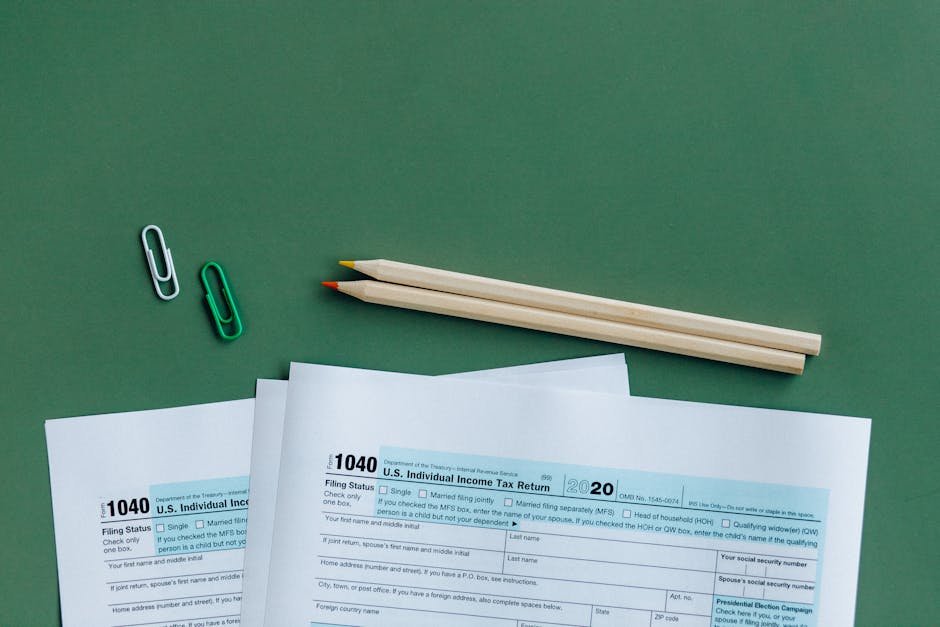
Becoming a freelancer means becoming your own tax department. No employer withholds taxes, files forms for you or reminds you of deadlines. That freedom is also why first-year freelancers so often get surprised by a tax bill.
This checklist walks you through the whole year: what to set up, what to do each quarter, and what to gather before you file. Bookmark it and come back whenever you need it.
Last updated: October 2026. Tax rules, limits and deadlines can change, so confirm current details on IRS.gov.
Quick Overview
| When | What to do |
|---|---|
| Start of freelancing | Set up your business basics and records |
| Every month | Track income and expenses, set money aside |
| Every quarter | Make estimated tax payments |
| January | Collect your 1099s and review your year |
| Filing season | Complete and file your return |
Part 1: Set Up Your Foundation
☐ Understand your status. If you’re paid as an independent contractor, you’re self-employed, not an employee. Our guide to 1099 vs. W-2 explains the difference and why it matters for your taxes.
☐ Give clients a Form W-9. Clients will ask for it so they can report your payments to the IRS.
☐ Decide whether you need an EIN. Many sole proprietors can use their Social Security number, but an Employer Identification Number keeps it off the forms you hand to clients. The IRS explains how to get an EIN for free.
☐ Open a separate bank account or card for business. It keeps your records clean and makes tax time much easier.
☐ Check state and local requirements. Some states and cities require business licenses or have their own income taxes. Look up your own state’s rules.
Part 2: Track Everything During the Year
☐ Record all income, whether or not a client sends you a 1099.
☐ Track every business expense with receipts, dates and the business purpose. A good app makes this easy. See our list of the best apps to track freelance business expenses.
☐ Keep a mileage log if you drive for business.
☐ Learn which deductions apply to you. Review freelance tax deductions you’re probably missing.
Part 3: Pay as You Earn
Because nothing is withheld from your payments, the IRS expects you to pay during the year.
☐ Know your self-employment tax. It’s separate from income tax and covers Social Security and Medicare. Read Self-Employment Tax Explained.
☐ Set money aside from every payment. Our guide on how much to set aside for taxes helps you pick a percentage.
☐ Make quarterly estimated payments. Typical due dates fall in mid-April, mid-June, mid-September and mid-January, and shift when they land on a weekend or holiday. See how to pay quarterly estimated taxes and the IRS page on estimated taxes.
☐ Aim to avoid underpayment penalties. The IRS has «safe harbor» rules based on your current or prior-year tax. Check the current rules or ask a tax professional.
Part 4: Plan Ahead for Retirement and Health Costs
These choices can also affect your tax bill:
☐ Consider a retirement account. Contributions to a SEP IRA or Solo 401(k) can lower your taxable income. Compare them in SEP IRA vs. Solo 401(k), or see whether a Roth IRA makes sense for the self-employed.
☐ Look into the self-employed health insurance deduction if you pay your own premiums. Rules and eligibility apply, so confirm them on IRS.gov.
Part 5: Year-End and January Tasks
☐ Review your year in December. Estimate your profit, check your estimated payments and consider any moves that still count for the tax year.
☐ Collect your forms in January. Clients and platforms generally send 1099s by the end of January. Make a list of everyone who paid you and check each one off.
☐ Reconcile forms against your records. Missing or incorrect forms are common. Our guide on how to file taxes with multiple 1099s explains what to do.
Part 6: Filing Your Return
☐ Gather your documents: 1099s, income records, expense records, mileage logs, and records of estimated payments.
☐ Choose how you’ll file. Compare options in our guide to the best tax software for self-employed freelancers, or hire a qualified tax professional if your situation is complicated.
☐ Complete the key forms. Most freelancers file Schedule C (profit or loss), Schedule SE (self-employment tax) and Form 1040. The IRS keeps a helpful Self-Employed Individuals Tax Center.
☐ File on time. The standard filing deadline is in mid-April. If you need more time to file, an extension generally doesn’t extend the time to pay, so pay what you owe by the deadline.
☐ Save a copy of everything. Keep your return and supporting records in a safe place. The IRS has guidance on how long to keep them.
Common First-Year Mistakes to Avoid
- Waiting until April to think about taxes
- Not setting money aside from each payment
- Mixing personal and business spending
- Forgetting to report income that had no 1099
- Skipping estimated payments
- Losing receipts and mileage records
Frequently Asked Questions
Do I have to pay taxes if I only freelance part-time?
Generally yes. If your net self-employment earnings reach the IRS threshold, you owe self-employment tax, and your income may also be subject to income tax.
Do I need an accountant?
Not always. Many first-timers can file using tax software, but a professional can be worth it if you have several income sources, a business entity or complicated deductions.
What if I missed a quarterly payment?
Make it as soon as you can and keep paying going forward. You may owe a penalty, but paying late is better than not paying at all.
Final Thoughts
You don’t have to know everything about taxes on day one. You just need a system: keep clean records, set money aside, pay quarterly and file on time. Follow this checklist and your first year as a freelancer will be a lot less stressful.
This article is for general information only and isn’t tax advice. Tax laws and deadlines change, so verify details on IRS.gov or consult a qualified tax professional.